Pages

Showing posts with label OnePlus. Show all posts

Tuesday, 28 July 2015

The OnePlus 2 pushes the boundaries of how cheap a flagship phone can be

There are more options than ever for getting a good, cheap smartphone, and last year’s OnePlus One was a standout. For $300, you got a well-made, nice-looking phone with cutting-edge hardware and few compromises to be found (assuming its 5.5-inch size didn’t put you off). The just-announced, heavily-leaked OnePlus 2 doesn’t deviate strongly from the formula that made the One such an intriguing phone, but there are some notable differences to be found once you dig into the new device.
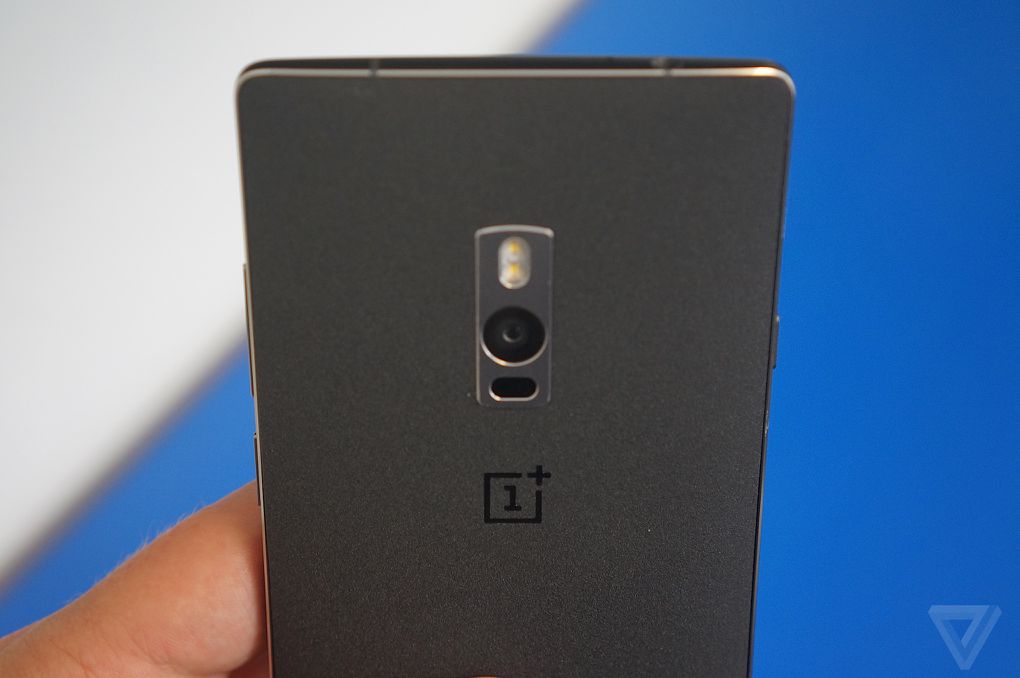
From a specs perspective, the OnePlus 2 features a 5.5-inch, 1080p screen, a Qualcomm Snapdragon 810 processor, and either 16GB of storage with 3GB of RAM or 64GB of storage with 4GB of RAM. The back-facing camera has a 13-megapixel sensor with optical image stabilization, while the front camera lets you shoot selfies at 5 megapixels. That back camera also includes a two-tone flash and a laser focusing system. While most of these specs are pretty standard fare for a high-end smartphone, the price remains anything but: the 16GB model will retail for $329, while the 64GB version will go for $389. That’s more than last year’s model, but after spending some time with the phone, I feel like the price increase is justified for what you get.
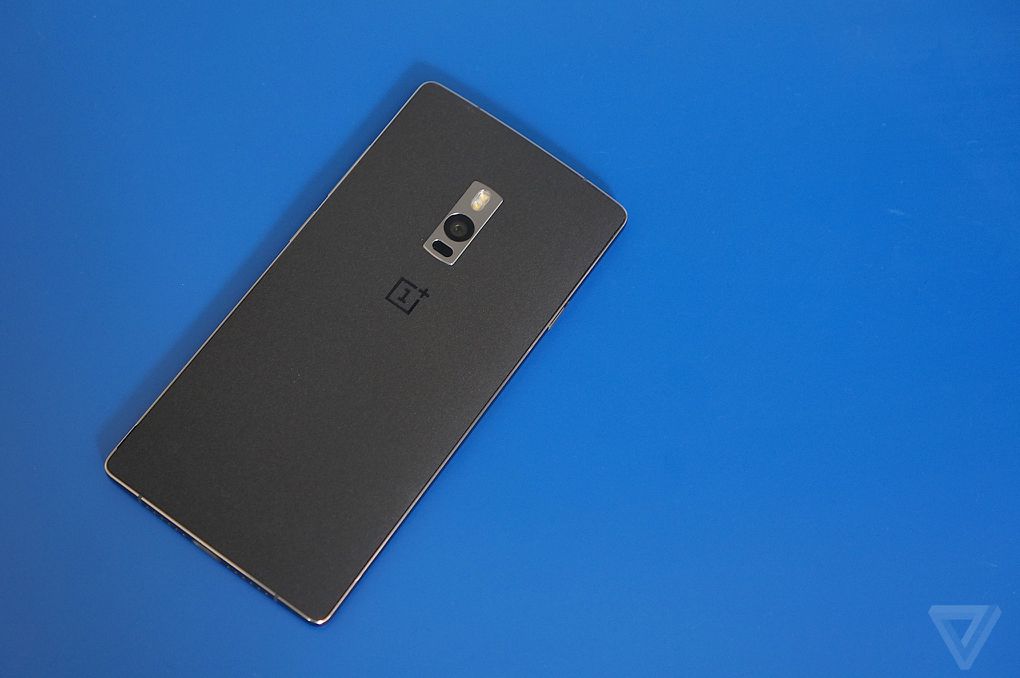
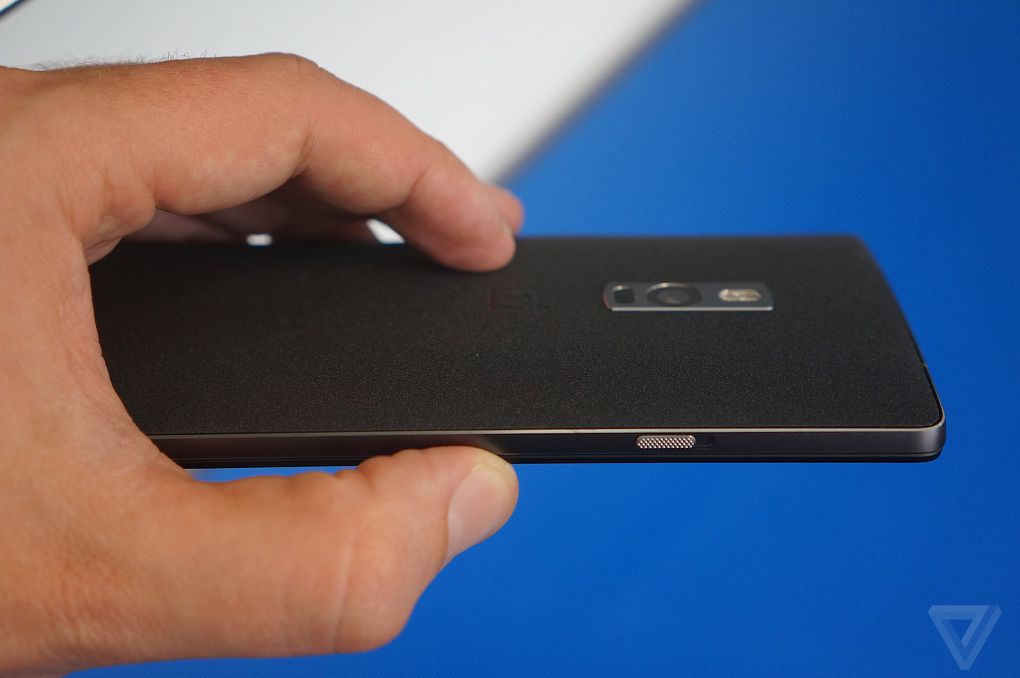
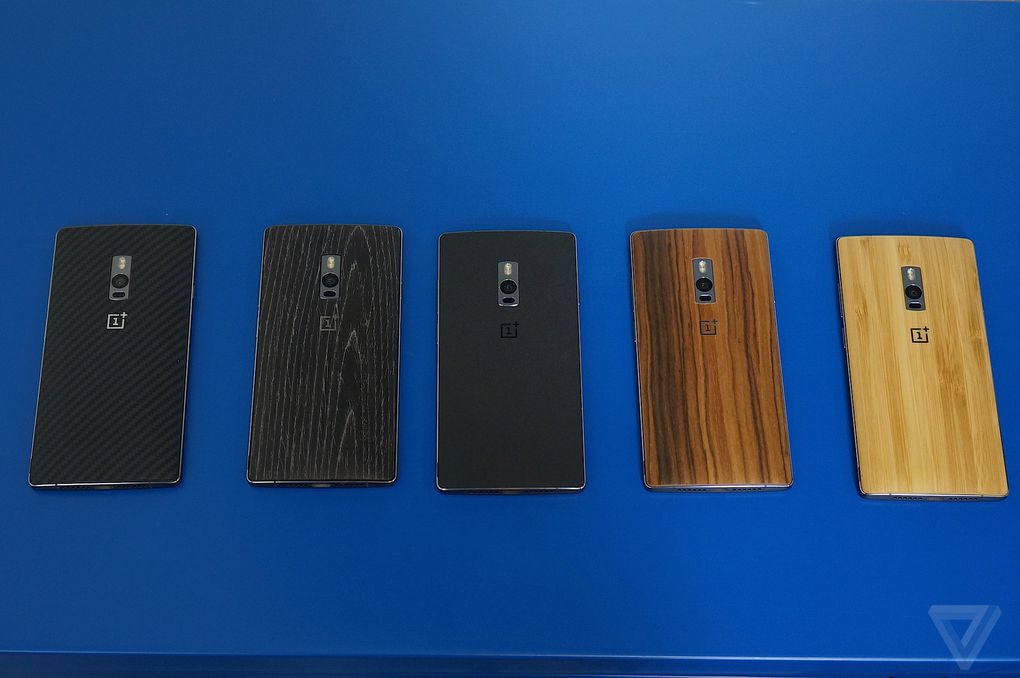
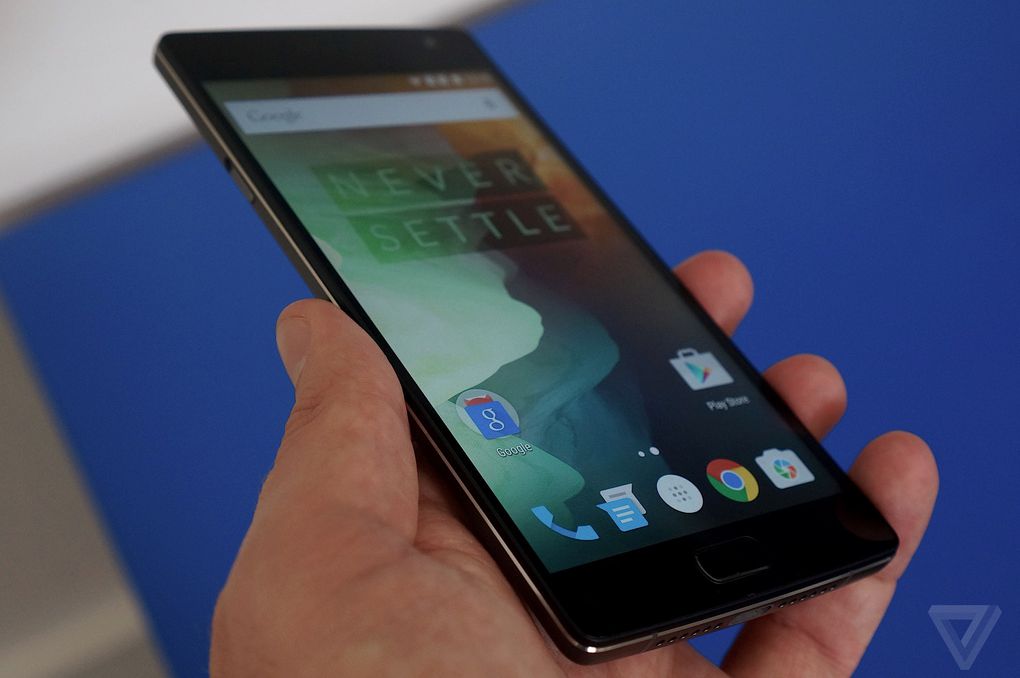
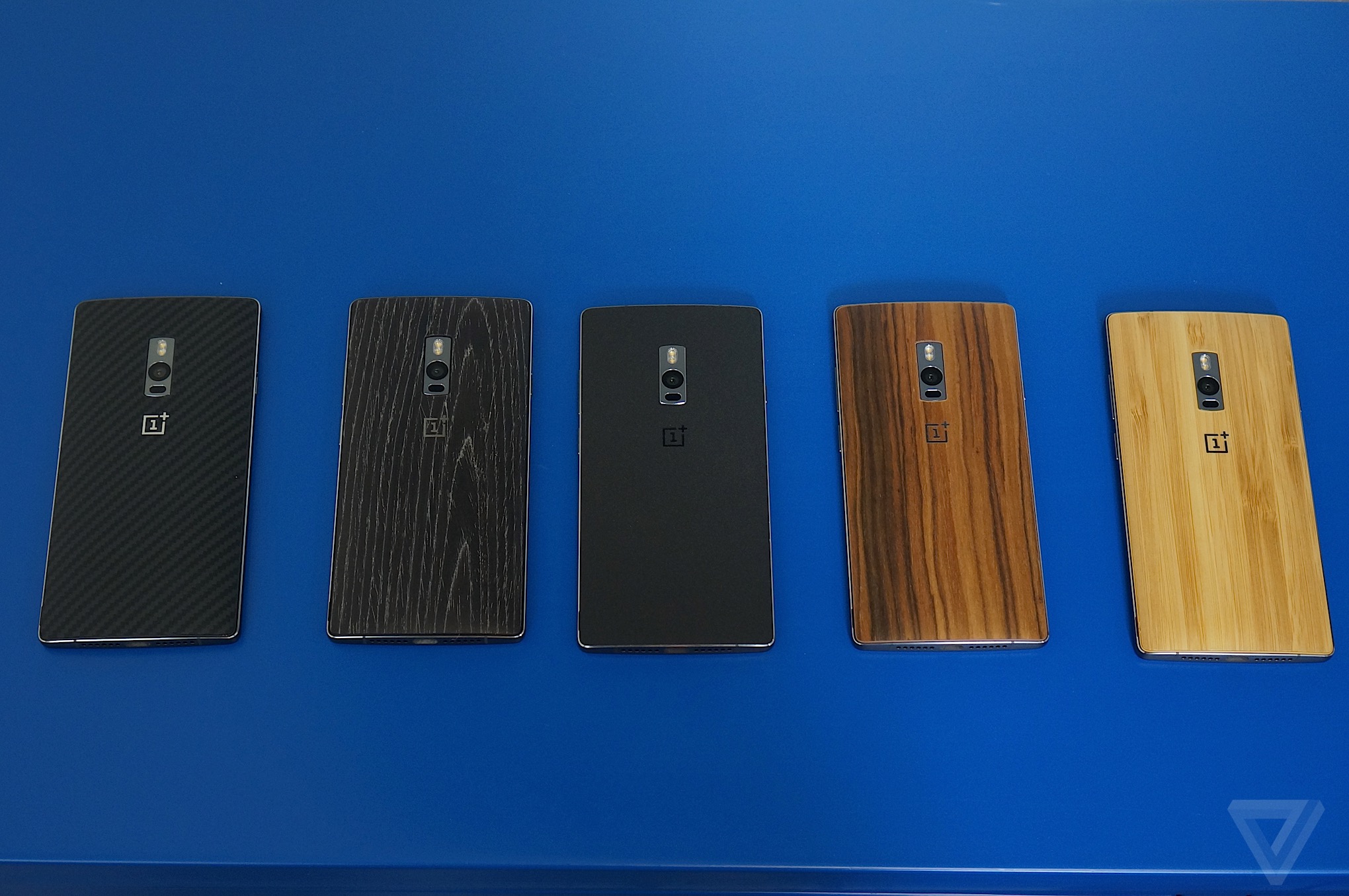
On the surface, the OnePlus 2 is very similar to its predecessor. It’s still the same 5.5-inch device, but the body material is significantly nicer this time — most of the frame is made of aluminum, but the back keeps the textured, grippy material featured on last year’s phone. That back is easier to replace this time; OnePlus showed me a handful of new backs including two wooden options and a kevlar back that brings to mind Verizon’s never-ending parade of Droids. The combo of the unusual textured back with the shiny metal frame looked great to me, and the Moto X-like contour of the phone meant that it nestled into my hand and felt a bit smaller than such a large phone should feel.
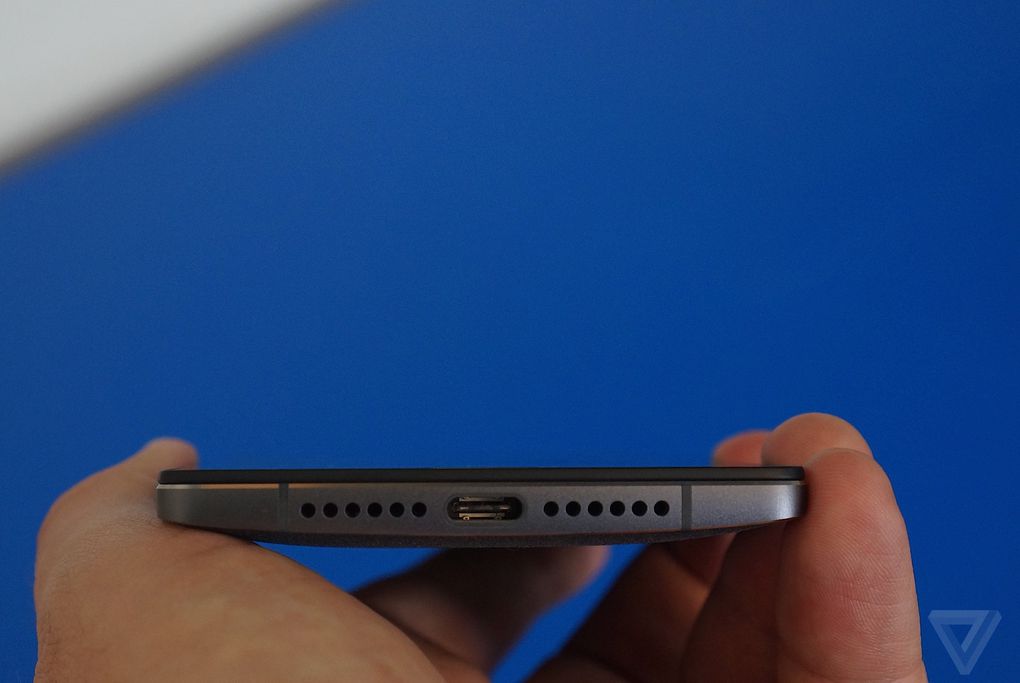
There are a few other hardware tricks you’ll see on this phone that you won’t find on most other devices, perhaps most importantly the USB-C connector on the bottom. We knew this would be the case, but it’s still nice to see a company moving people over to the new port as soon as possible. There’s also a three-position switch on the side of the phone that lets you cycle through the three default notification settings in Android Lollipop (all, priority, and none). I use an iPhone pretty frequently and am very used to using the side switch to silence sounds, so having a more granular hardware switch on the OnePlus 2 is a very welcome addition.
THOUGHTFUL SOFTWARE AND HARDWARE TWEAKS ABOUND
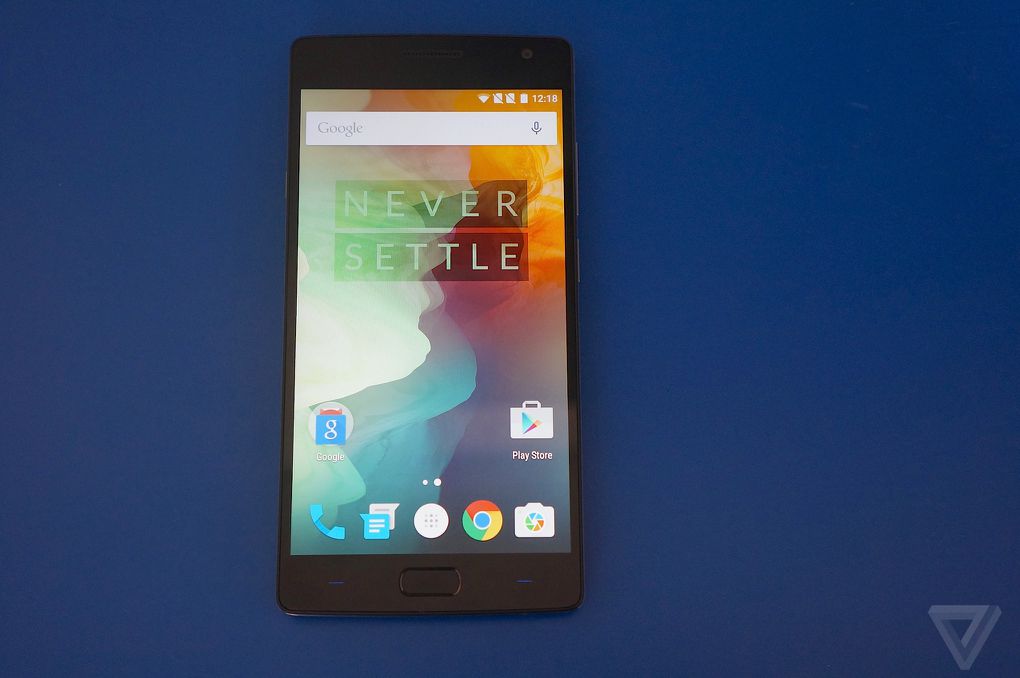
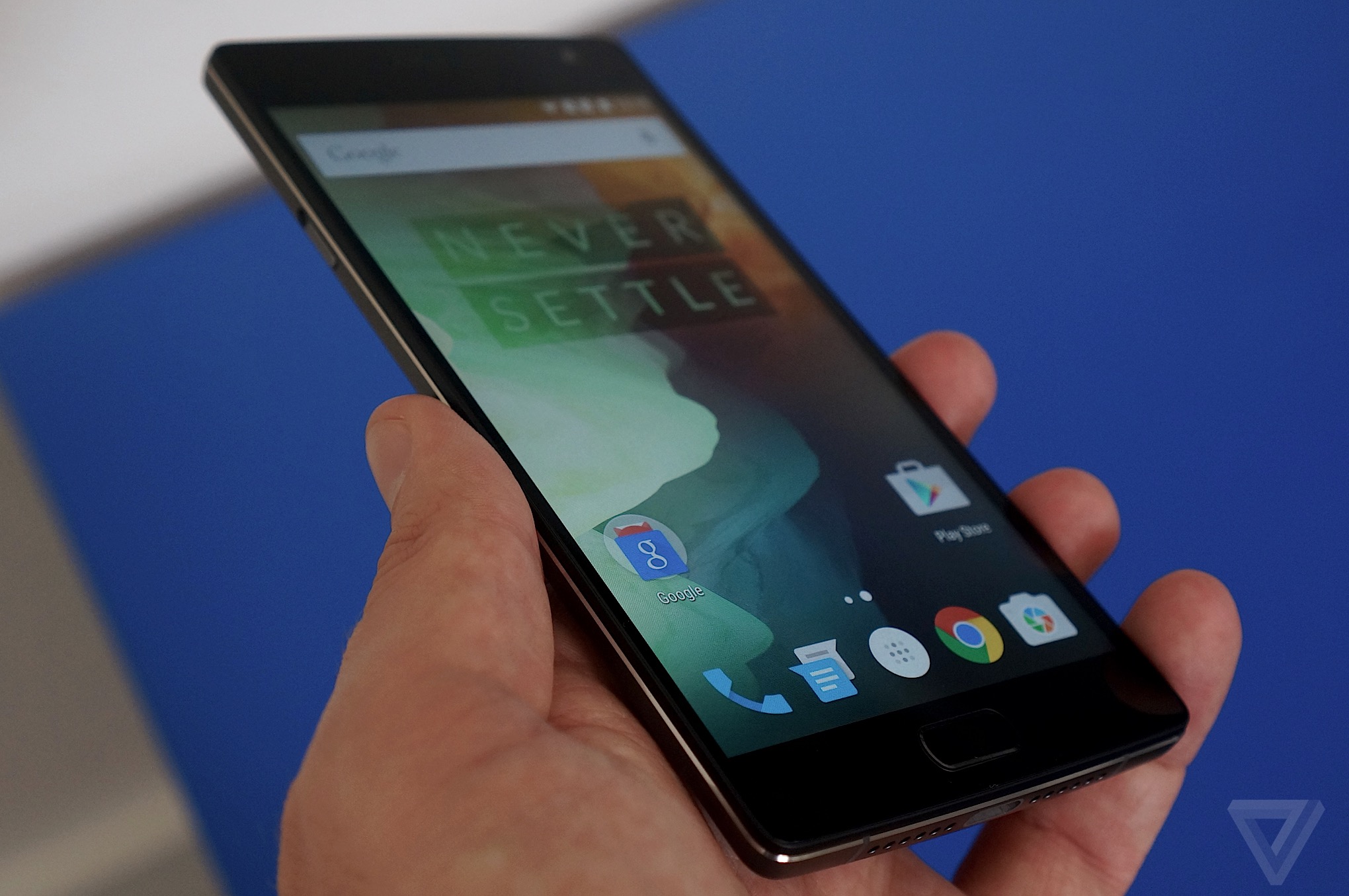
Another new addition is the front-facing fingerprint unlock sensor, and it does indeed work as advertised. With the phone locked, it only took barely a second of laying my finger on the sensor to get the phone open and ready for use. Much like the iPhone, you have to back up the fingerprint sensor with a traditional on-screen lock, but whatever sensor and software OnePlus are using here seem like a very reliable combo.
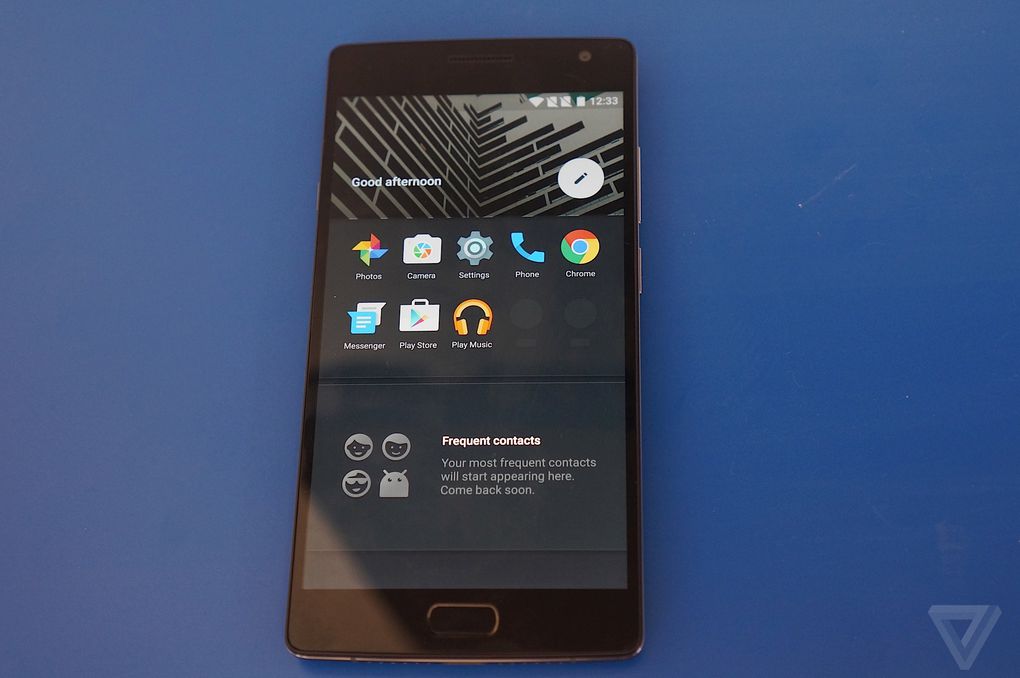
Once you’ve unlocked the phone, you’ll see the very familiar stylings of Android 5.1 — but this time, OnePlus has added its own in-house software (called OxygenOS) over the top, rather than using Cyanogenmod as it did last year. Fortunately, it’s a very clean skin, with minimal extra features — there are some new options included in the settings, like a menu that lets you enable gestures to tap the screen to wake it, or draw a circle on the screen to launch the camera.
YOU'LL HAVE TO GO THROUGH THE NOTORIOUS ONEPLUS INVITE SYSTEM AGAIN, BUT THE PHONES WILL AT LEAST SHIP FASTER THIS TIME
But the biggest addition is something OnePlus calls the "shelf." When you swipe to the left from your home screen, you’ll see an area that collects your favorite contacts and most used apps (Google Now can still be accessed by long-pressing on the home button). OnePlus says it’ll extend the functionality of the shelf over time, but right now it doesn’t really do much worth noting. Hopefully that’ll change by the time this phone gets into consumers’ hands, because right now I’d rather just have Google Now in its default spot.
By and large, though, OnePlus’ software implementation is graceful and minimalist, with thoughtful additions like the ability to swap between on-screen navigation buttons versus using the capacitive buttons below the screen. OnePlus also included its own camera software, which is fast and minimalist; we’ll have to wait until we get to spend more time with the phone to judge the picture quality.
Unfortunately, just like last year, the OnePlus 2 will be available online through an "invite" system — you’ll only be able to preorder it if you get an invite. The good news is that getting an invite will hopefully be easier this time around, as anyone can sign up to receive one on the OnePlus website (among other places, like OnePlus's social media accounts). There’s no telling how long it’ll take to get an invite once you've signed up, but OnePlus knows it needs to move faster than it did last year: the phone will start shipping to the US, Europe, and India by the middle of August.
Hint: Use the 's' and 'd' keys to navigate
Monday, 20 April 2015

You Can Now Buy a OnePlus One Without an Invite

You Can Now Buy a OnePlus One Without an Invite
Last year, the OnePlus One made waves in the smartphone community by offering a high-end handset for just $299 off-contract. The only downside was just how hard it was to actually buy one, with the phone’s Chinese manufacturer OnePlus choosing to make sales of the One invitation-only. Not any more. To celebrate the first anniversary of the launch of the One, OnePlus is dropping its invite system to let anyone buy the handset. This isn’t a special offer or a limited deal — it’s forever. And yes, we know it’s strange to celebrate a smartphone simply going on sale in the normal fashion, but as we noted in our review of the One, this isn’t a normal product.
In a blog post announcing the news, OnePlus claims that the company has now sold more than 1 million handsets. However, they do add that the One’s successor, the OnePlus 2, will revert to the old invitation-only system when it goes on sale. This choice, says OnePlus, is made to minimize their risk when it comes to ordering components and making the handsets, something that subsequently allows for the company’s “razor-thin margins.” Let’s hope we see even more value with the OnePlus 2.

Monday, 13 October 2014

The long wait for the One is over

Farhad Manjoo, Oct 13, 2014, INYT
Tech enthusiasts across the globe have been lusting after for months for the One, a fantastic low-price phone, says Farhad Manjoo INYT Photo
For years, the tech industry has been waiting on a unicorn device: a great, low-priced smartphone. While most other technologies keep getting cheaper, many of today’s high-end smartphones cost upward of $650 (Rs 39,864) , which is more than the price Apple slapped on its very first iPhone, way back in 2007. 

That price is usually hidden inside a carrier plan; you generally pay only $200 (Rs 12,266) or so when you sign up for the phone, and then pay the rest over the course of your contract. Still, the full price is nothing to sneeze at. If you keep your new iPhone 6 or Samsung Galaxy S5 for two years, you are looking at a minimum of $27 (Rs 1,655) a month just for the device. 

Top-tier smartphones cost more than most laptops and desktops, more than a lot of TVs and home appliances, and more than the fanciest dinner for two in New York (probably).
Isn’t it time high-end smartphones were cheaper? Are they worth all that much money? Is there any way around the sticker price?

Well, a unicorn just galloped onto the horizon. This month, OnePlus, a startup based in Shenzhen, China, will begin taking preorders for the One, a fantastic low-price phone that tech enthusiasts across the globe have been lusting after for months. (Until the preorder system goes live, the only way to get a One is by snagging a coveted invitation.)

I’ve been using the One for the last couple of weeks, and I’ve found it to be one of the best smartphones I’ve ever used. The One has a beautifully spare design, it’s loaded with the latest tech specs, and it runs CyanogenMod, a version of Google’s Android operating system that is far more flexible and easier to use than the cumbersome flavors of Android now stuffed into rival phones.

Best of all, the One sells for $299 (Rs 18,337). That’s not $299 (Rs 18,337) with a carrier plan or some other commitment. That’s $299 (Rs 18,337)  total, or less than half the price of a top-tier phone from Apple, Samsung or HTC. After you pay that price, you own the phone. If you take it to a carrier like T-Mobile, which offers a discount on your cellular plan if you bring your own phone, you can end up saving a substantial bit of cash in the long run.

And yet, the One is not going to work for most people - yet. That’s because it comes with many caveats and warnings. Among them: You will have a devilishly difficult time getting customer service for your phone, including getting it repaired if something goes wrong.
Still, the company may be on to something. If OnePlus can navigate the perils of the cutthroat smartphone business, it may be giving us a peek of the glorious future of great, cheap phones.

OnePlus was founded late in 2013 by Pete Lau, a veteran of the Chinese tech business who was taken with the idea of creating a high-end smartphone for the masses. His vision was not unique; as the price of the components in smartphones plummeted over the last few years, a rash of Chinese startups emerged to make high-quality, low-price phones. These devices are radically shifting the mobile industry in China and other parts of the developing world. 

This summer, Xiaomi, another startup that sells its low-price phones in China, surpassed Samsung as that country’s top smartphone vendor, according to the research company Canalys. Samsung’s profits are being battered by the intense competition from low-priced rivals.

But OnePlus is unusual among Chinese phone makers in that it believes its market extends far beyond its home country. Early on, Lau divided the company into two semiautonomous units, one catering to Chinese consumers and the other devoted to the international market. Carl Pei, who directs the global division, said that of OnePlus’ global staff, a third of the employees are from Asia, a third from Europe and a third from the United States.

“We don’t really think of ourselves as a Chinese startup,” he said.
After winning a few glowing reviews this year in the US and European tech press, the One became a sensation among techies far beyond China.

“Very soon, our sales outside of China will surpass sales in China,” Pei said during a recent interview.

While he would not provide exact sales numbers, Pei said the One was selling in the “mid-to-high four figures a day in the U.S.,” which he said constituted 30 percent of the company’s market. That would imply sales of 150,000 to 300,000 phones a month in the United States and up to a million devices a month overall - a rounding error in the global smartphone business, but an admirable feat for a tiny, year-old startup.

It’s not surprising that people are clamouring for the One. It is just about the fastest Android phone you can buy, and its 5.5-inch screen is stunning. My only complaint with the device has to do with the camera, whose pictures cannot match the sharpness and colour accuracy of some of its rivals. 

Otherwise, the One is better than most other Android phones on the market, including Samsung’s Galaxy S5 and HTC’s flagship phone, which is also called the One. (Yes, there are now two Ones.) I give the OnePlus One the edge primarily for its user interface, which is cleanly minimal, uncluttered with all the pointless gimmicks and unnecessary apps found in many rival Android devices. In that way, the One is similar to Google’s Nexus 5, another high-quality, low-price phone - but overall, the One is more powerful, and far prettier, than the Nexus.

The problem with the One, though, is that OnePlus’ future is far from assured - and that future matters to the longevity of your phone.

“To be perfectly honest, we’re not sure about our business model,” Pei said, noting that at the moment, the company does not make much of a profit on each phone it sells.
He added that in the future, the company might begin to make money by teaming up with software companies that would preinstall apps on the phone, or by expanding the range of accessories for its device.

Even in the absence of a business model, the company is planning rapid expansion. It is hiring customer service experts to better handle problems, and it plans to hire local teams in some of its markets to provide faster service. It’s possible that by selling a great phone at a great price, OnePlus could stumble into profits and become the next big global smartphone brand.

But betting on OnePlus’ survival is a $300 (Rs 18,399) gamble. Jan Dawson, an independent analyst, points out that by comparison, the established smartphone market does not ask customers to make such a leap. The major carriers now offer zero-down, interest-free financing plans for high-end phones, meaning that customers can get a $650 (Rs 39,864) phone for $30 (Rs 1,839) monthly instalments.

“Even though the iPhone may be significantly more expensive, today you’re going to be paying only a tenth of what you’d pay to get the OnePlus phone upfront,” Dawson said. If your iPhone breaks, you can always go back to the store to get it fixed. And if you want to get rid of it, there will always be a large, willing market to take it off your hands. Isn’t that certainty worth the extra coin?

For many users, that will be true; the $650 (Rs 39,864) smartphone isn’t going away tomorrow. But the One ought to give established players pause. Great, cheap phones aren’t just for China. Soon, they’ll be everywhere, and eventually, one could be right for you.